
Published on May 20, 2026
Reading time: 7min
By Lucas Medus - Studio & Acoustics Expert at Red House
Sommaire
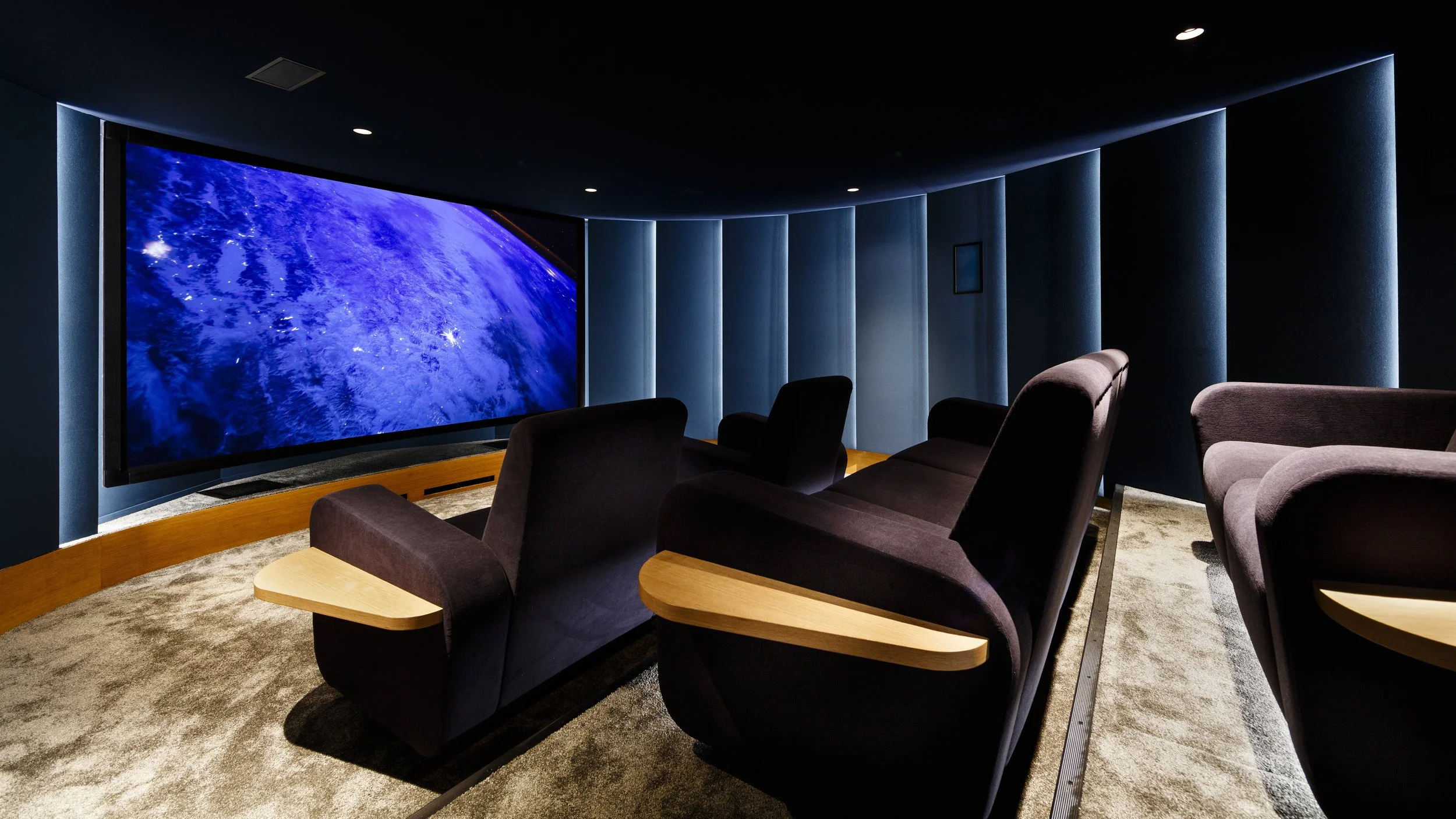
As cinematic technology advances and streaming services deliver blockbusters straight to our living rooms, more and more people are looking to bring the magic of the silver screen home by building their own dedicated home theater room.
When brainstorming your ideal setup, exploring creative home theater ideas is the perfect way to visualize the ultimate entertainment space.
However, the first question on every aspiring cinephile's mind is always: how much will it cost?
The truth is, there is no one-size-fits-all answer. Your total investment can vary dramatically based on the caliber of equipment you choose, the physical size of your room, and the complexity or level of installation ranging from a simple DIY project to a fully bespoke, professionally engineered cinema space.
In this comprehensive guide, we break down the costs for every setup to help you plan your perfect home theater room budget.
How much does a home theater room cost?
The financial investment required to build a dedicated home cinema can scale from a modest weekend project to the price of a luxury automobile. To give you a realistic overview, total costs generally fall into three distinct tiers based on performance, equipment, and structural modifications.
| Setup Tier | Budget Range | Key Features & Characteristics |
|---|---|---|
| Entry-Level Home Theater Setup | $2,000 – $5,000 |
Highly popular among DIY enthusiasts; usually integrated into multi-purpose spaces like living rooms or spare bedrooms. Relies on consumer-grade electronics, standard smart TVs or budget projectors, and standalone soundbars or basic multi-channel speaker packages. Virtually no structural acoustic modifications or professional labor costs. |
| Mid-Range Home Theater Setup | $5,000 – $15,000 |
The sweet spot for transforming a dedicated room, basement, or garage into a true private theater. Includes a high-quality 4K projector, a dedicated multi-channel surround sound system powered by a robust receiver, specialized theater seating, and foundational acoustic adjustments. Vastly outperforms any standard living room setup. |
| High-End Home Theater Room | $15,000 – $50,000+ |
Fully bespoke, professionally designed and engineered entertainment spaces. Features state-of-the-art native 4K laser projection, integrated Dolby Atmos architectural surround sound, and custom acoustic construction (room-within-a-room isolation). Includes luxury motorized recliners and fully integrated smart home automation control systems. |
» What's included in the budget :
the video equipment (a 4K Smart TV or projector) with a dedicated screen,
a high-performance AV receiver
a multi-channel sound system
ergonomic home theater seating
resources for acoustic solutions
It is crucial to remember that your final financial investment depends not only on the retail cost of your electronic equipment but is also heavily dictated by the specific dimensions of your room and its baseline acoustic properties.
What affects the budget of a home theater room?
Several core factors dictate where your final budget lands, shifting your project from a basic media room to an uncompromising private cinema. First, the physical size of the room plays a massive role; larger spaces naturally demand higher-lumen projectors, larger projection screens, and extra amplification to fill the cubic volume with pristine sound. This ties directly into your speaker configuration, where transitioning from a traditional surround sound setup to an advanced, multi-channel Dolby Atmos array requires a larger investment in both speakers and processing power.
Beyond the electronics, the structural environment heavily influences costs. Specialized acoustic consulting with acoustic treatment is essential to clean up reflections and deliver a balanced response, while true soundproofing insulation adds architectural costs to keep audio contained. Finally, introducing smart automation systems to seamlessly control your home theater lighting, motorized blinds, and electronics with a single touch, combined with the precision of a custom installation by certified technicians, represents the final tier of budget factors that define a truly high-end, professionally integrated home theater.
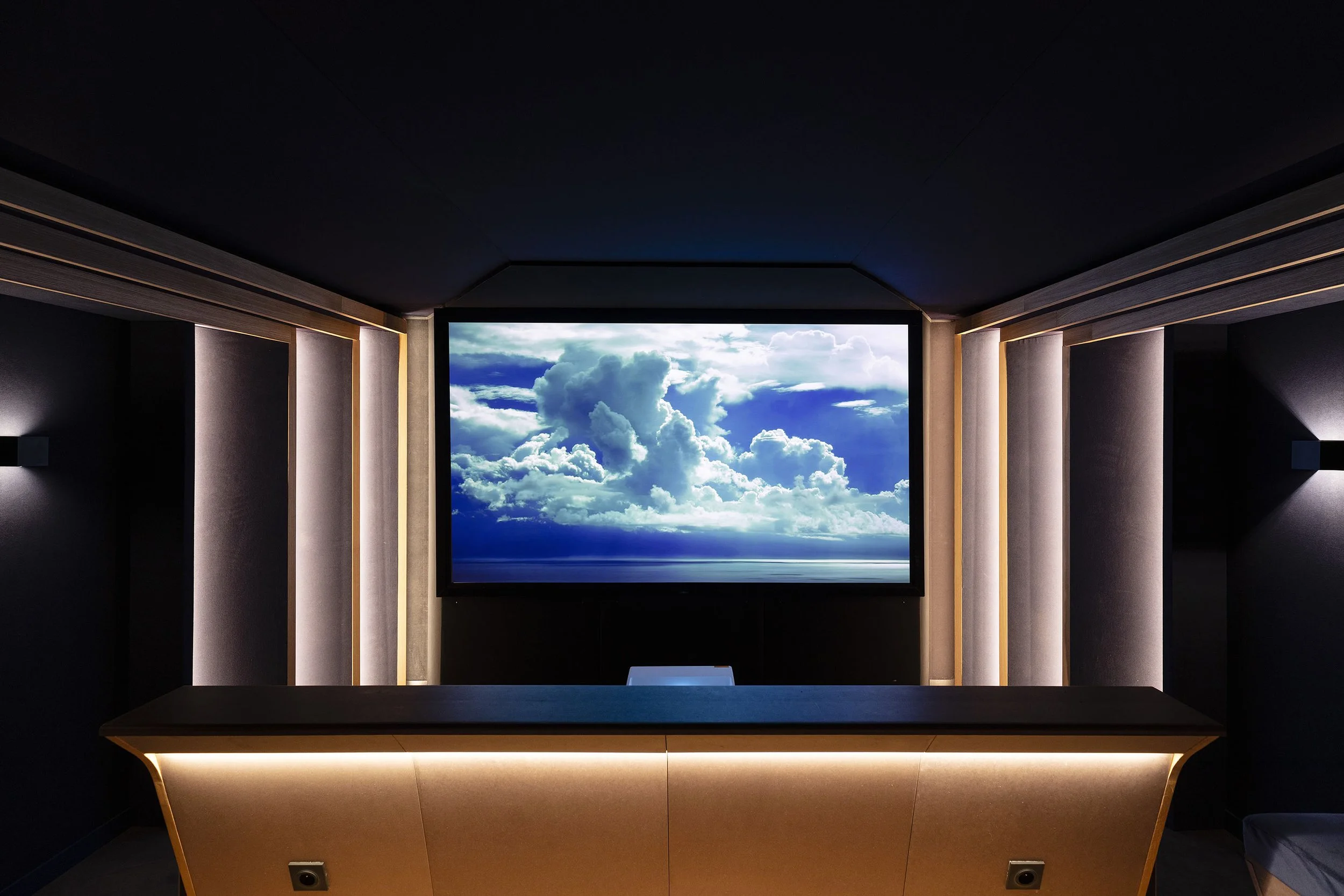
Can you build a home theater room on a budget?
If you are working with a tighter financial constraint, you can absolutely build an incredible, highly immersive home cinema space without breaking the bank. Taking a cue from savvy communities on Reddit, achieving great performance on a budget comes down to prioritizing the right elements and adopting a strategic approach.
Buy used or refurbished equipment: One of the best ways to maximize your buying power is to source second-hand premium electronics. AV receivers, high-end tower speakers, and subwoofers from reputable brands hold their technical value incredibly well, allowing you to buy top-tier legacy models for a fraction of their original retail price.
Start with a solid 5.1 system: You do not need to deploy a dozen architectural speakers on day one. Invest your budget into a high-quality, foundational 5.1 channel layout (left, center, right, two surrounds, and one subwoofer). A premium 5.1 system will always sound vastly superior to a mediocre or cheap Atmos setup, and it gives you a clean framework to upgrade later.
Optimize a smaller room: Instead of trying to tackle a massive, complicated space, choose a smaller, dedicated room if possible. Smaller rooms require significantly less amplifier power, smaller display sizes to look immersive, and far less acoustic material to manage reflections, making your overall project inherently more cost-effective.
Prioritize the audio experience: In a budget crunch, allocate a slightly higher percentage of your funds to sound over visuals. Human brains are far more forgiving of a slightly smaller or less expensive screen than they are of muddy, thin sound with distorted bass. High-quality audio is what truly creates that emotional, theater-like suspension of disbelief.
Small room vs dedicated home theater room
When planning your layout, deciding whether to optimize an intimate, smaller space or invest in a massive, dedicated theater room will completely reshape your design strategy. Both environments offer unique advantages that dictate your equipment choices and technical approach.
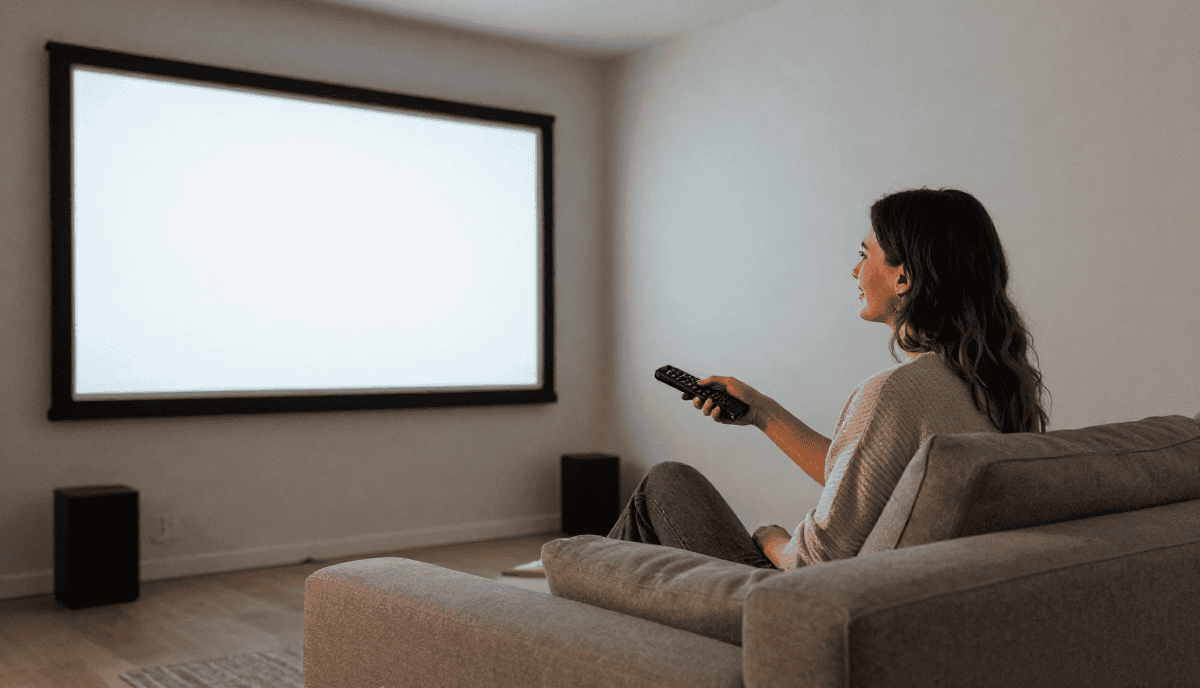
The Advantages of Small Rooms: Choosing a smaller space significantly lowers the financial barrier to entry, as you need less overall amplification and fewer acoustic panels to achieve excellent results. These spaces make it much easier to experience total structural immersion, since a modest display or screen occupies a massive portion of your field of view, making the visual experience feel intensely private and focused. Furthermore, speaker placement is much more straightforward and predictable in a compact environment, allowing a standard 5.1 or 5.1.2 configuration to perform beautifully. However, managing reflections requires precision; internal acoustic treatment must be targeted carefully with high-density absorption to prevent early reflections from muddying the dialogue.
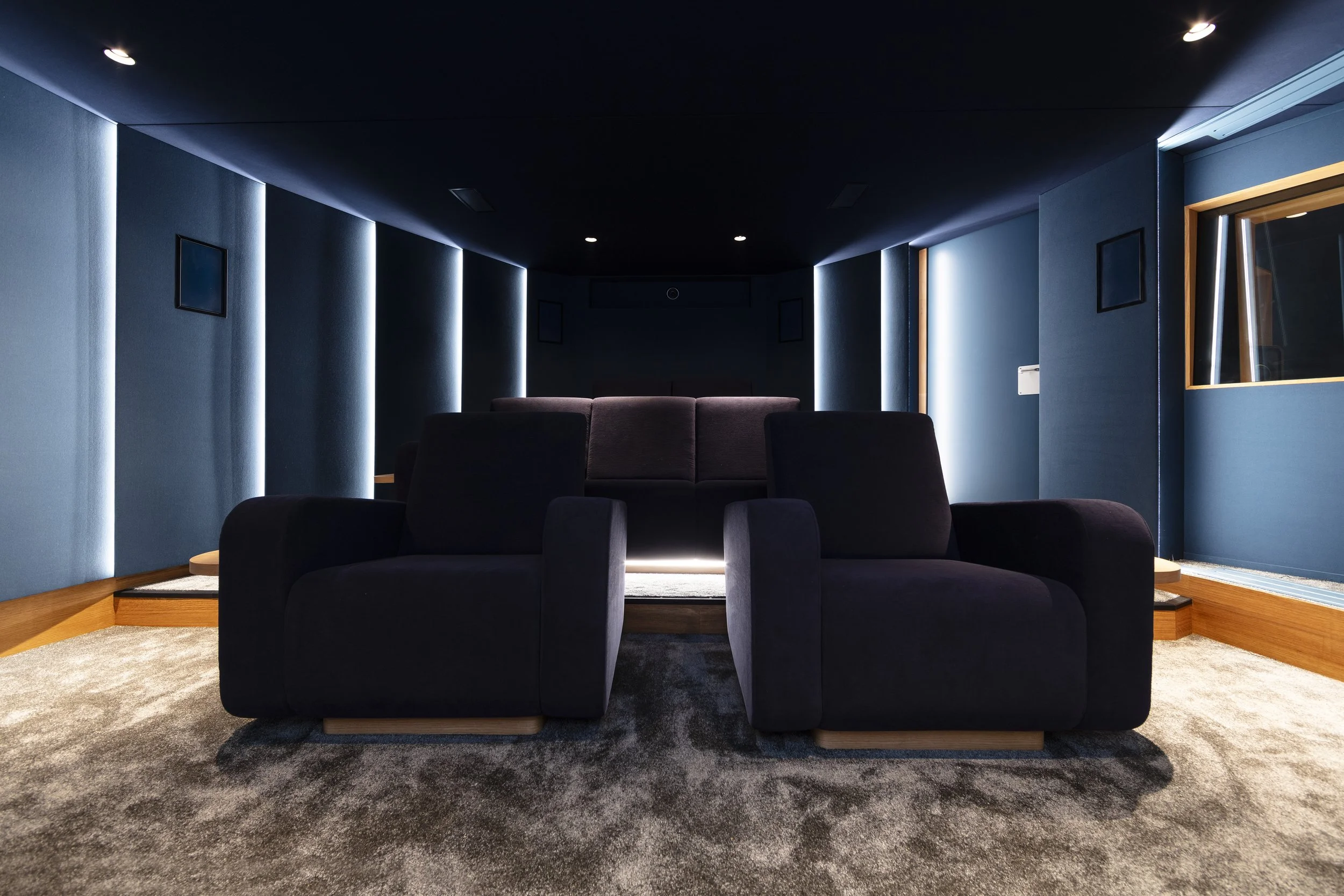
The Scale of Dedicated Theater Rooms: A large, dedicated cinema space offers an uncompromising canvas where you can build an unconstrained entertainment environment. The vast cubic volume allows for expansive multi-tiered rows of custom seating and complex, multi-channel sound systems (such as 9.2.4 or higher layouts). Because you have more physical space, speaker placement can follow strict Dolby guidelines perfectly, minimizing phase issues and maximizing the soundstage. When it comes to acoustic treatment, large dedicated rooms give you the freedom to balance heavy absorption with specialized diffusers, preserving the life and energy of the audio. The ultimate reward is an unparalleled level of sensory immersion that perfectly replicates commercial cinemas, though it demands a much higher budget for equipment, multi-subwoofer balancing, and extensive structural soundproofing.
Home theater room vs media room: what’s the difference?
While a media room is a flexible, multi-purpose social hub designed for casual watching, gaming, and entertaining in everyday spaces like open-concept living rooms, a dedicated home theater is an uncompromised, purpose-built sanctuary engineered exclusively to replicate a commercial cinema. Media rooms favor multi-use comfort with standard lighting and ambient sound, whereas a dedicated home theater isolates the viewer in a controlled, windowless environment—utilizing advanced soundproofing, geometric acoustic treatments, tiered seating, and complex surround sound arrays to maximize performance and sensory immersion.
Why work with professionals to design a home theater room?
Investing in high-end entertainment gear is only half the battle; unlocking its true performance requires architectural precision. This is exactly where partnering with an industry expert like Red House transforms your financial investment into an unparalleled cinematic experience. While amateur setups often suffer from unpredictable echoes or improper viewing angles, our dedicated engineering team treats your space as a holistic ecosystem.
At Red House, we bridge the gap between premium electronics and structural physics, designing world-class recording studios and high-performance home theaters from the ground up. Our comprehensive approach focuses on four pillars:
Acoustic Design: We implement precise calculations to eliminate flutter echoes, manage standing waves, and deliver an exceptionally balanced frequency response so every seat is the best seat in the house.
Room Optimization: Our team analyzes your room's physical layout, customizing geometric solutions and structural barriers to guarantee absolute sound isolation from the rest of your home.
Equipment Integration: We seamlessly calibrate state-of-the-art native 4K displays, advanced AV routing systems, and immersive architectural speaker arrays to match the specific cubic volume of your room.
Bespoke Craftsmanship: Rather than applying generic templates, we design tailored systems centered around your functional needs and aesthetic preferences.
Our expertise is backed by a proven track record of bringing elite, studio-grade acoustics straight into residential spaces. For instance, our team recently executed a complete transformation of a complex concrete basement, overcoming challenging parallel surfaces to build a fully decoupled, soundproofed private cinema featuring integrated Dolby Atmos arrays. Whether configuring sleek, minimalist media suites or engineering massive, multi-tiered screening rooms, our past projects demonstrate how professional calibration elevates retail gear into a true cinematic sanctuary.
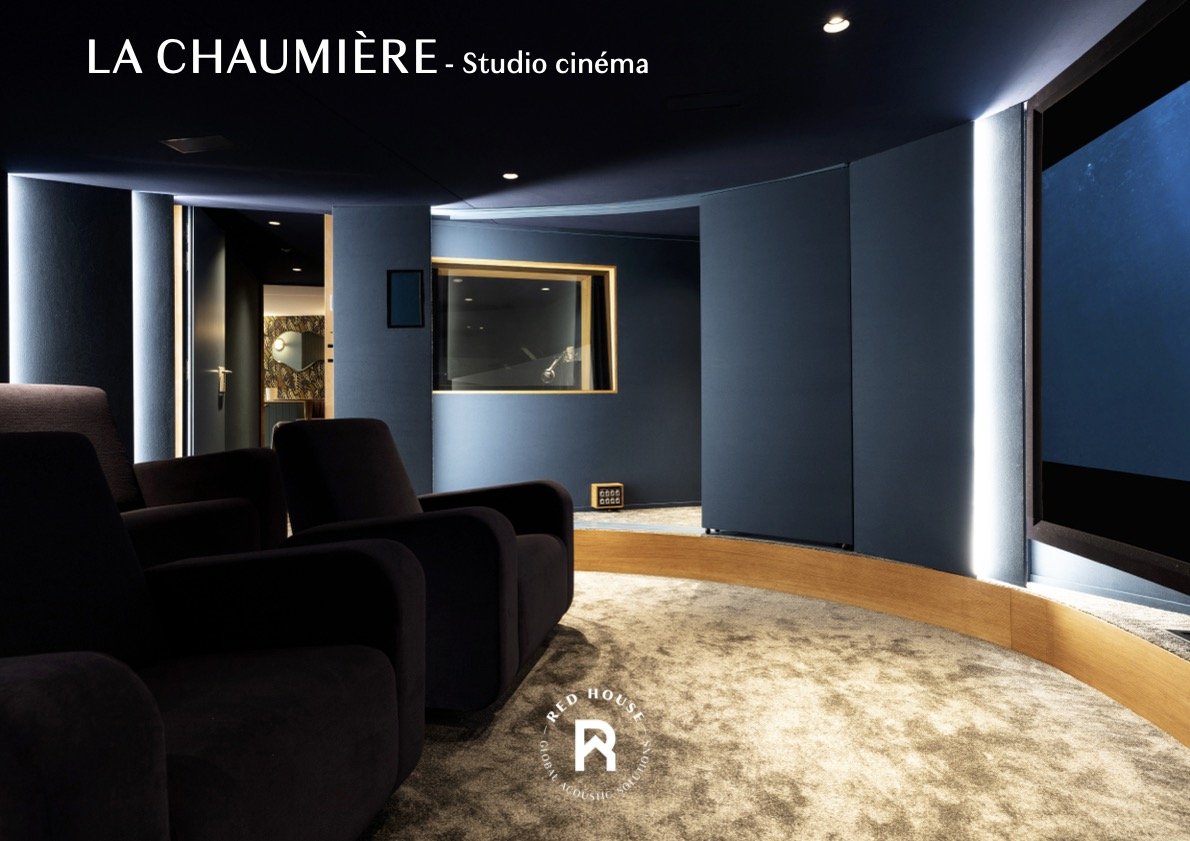
La Chaumière by Red House
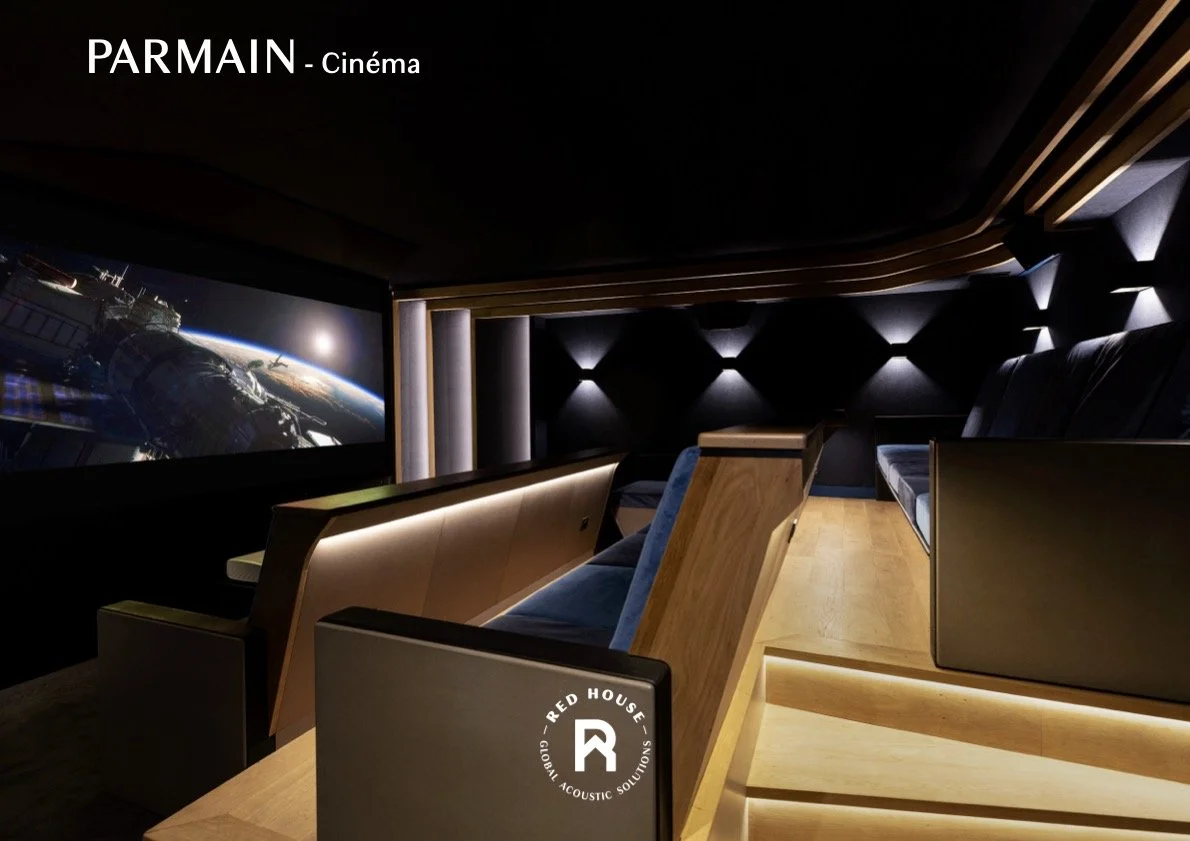
Parmain by Red House
Home theater room budget: frequently asked questions
-
The average budget to build a dedicated home theater room typically ranges from $5,000 to $15,000 for a mid-range configuration. Within this pricing bracket, a homeowner can invest in a high-performance 4K video projector paired with a fixed projection screen, a robust home theater receiver, and a dedicated multi-channel speaker system. This setup delivers a true cinematic experience that far exceeds a basic soundbar or standard tv speakers. While an entry-level home theater setup can be put together for around $2,000 using consumer-grade electronics, a bespoke, custom home cinema with tiered theater seating and advanced structural sound isolation will easily exceed $15,000 to $50,000.
-
Yes, you can absolutely design an incredible home theater room in a small space, and it often provides a more intimate and enveloping environment. In a smaller room, a premium large screen or an oled flat panel display can create a massive field of view for ultimate visual immersion. From an audio standpoint, compact environments are highly efficient; they require less amp power and smaller bookshelf speakers or satellite speakers to fully pressurize the room with high-fidelity sound. By focusing on proper speaker placement, configuring a precise center channel for clear dialogue, and adding a single powered subwoofer, you can achieve a flawless surround sound experience without crowding the room with bulky floorstanding speakers.
-
While a stunning high definition picture is vital, audio professionals agree that the most important part of a home theater setup is the sound experience. Premium audio and video must work together, but human brains are far more sensitive to audio gaps than minor video flaws. Investing in a high-quality av receiver to decode formats like dolby atmos or dts, alongside a well-balanced speaker system, is what truly creates emotional suspension of disbelief. Ensuring your center channel speaker is perfectly calibrated for dialogue, while a dedicated subwoofer delivers realistic low frequency impact, forms the core foundation of true home entertainment.
-
Yes, acoustic treatment is absolutely essential if you want to unlock the true potential of your hardware investment. Without proper absorption and diffusion, even the most expensive home audio system or theater speakers will suffer from muddy bass, harsh echoes, and poor dialogue clarity caused by sound waves bouncing off bare walls. Installing targeted acoustic panels and bass traps controls the frequency response of the space, allowing you to experience the exact sound quality and high fidelity intended by the film's sound engineers. Treating the room ensures that every technical nuance decoded by your audio receiver translates into a crisp, lifelike sonic environment.
Planning a home theater room in your home?